
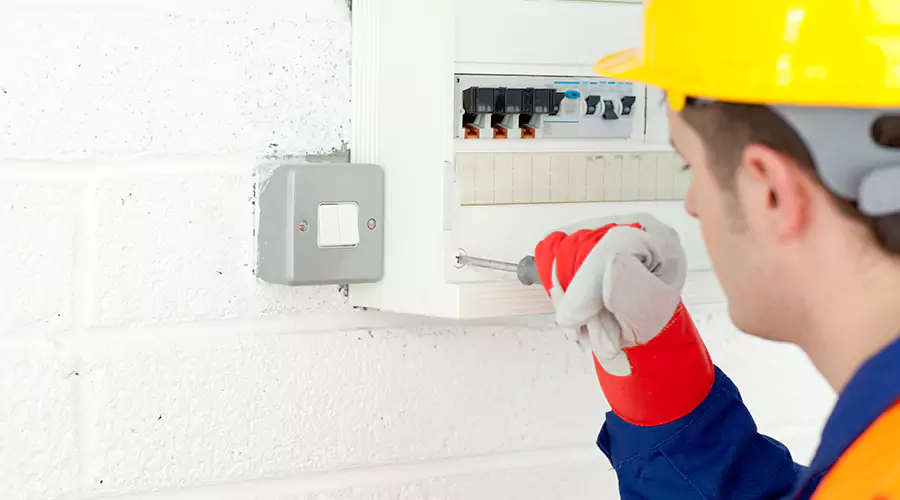
You should schedule electrical maintenance at least once every 3 to 5 years for most homes. Older homes or properties with high electrical demand need inspections every 1 to 3 years. Annual checks are recommended for homes with heavy appliance use or past electrical issues. Regular maintenance reduces the risk of fire improves system performance and helps catch small problems before they become expensive repairs.
Why Regular Electrical Maintenance Matters
Electrical maintenance prevents hidden hazards that develop over time. Wiring connections loosen and insulation wears down with normal use.
Routine inspections reduce the chance of electrical fires and unexpected outages. Checking the condition of the electrical system helps identify potential faults before they lead to power-related issues.
A well maintained system also supports consistent voltage. This helps protect appliances from electrical stress.
Electrical Maintenance Schedule at a Glance
This table gives a clear schedule based on home type and usage so readers can act quickly.
| Home Type | Recommended Inspection Period | Reason |
|---|---|---|
| New homes | Every 3 to 5 years | Modern wiring with lower risk of failure |
| Older homes | Every 1 to 3 years | Aging wiring and outdated components |
| High usage homes | Every year | Increased electrical load and wear |
| Rental properties | Every 1 to 3 years | Safety compliance and tenant protection |
| After renovations | Immediately after work | Verify safe installation and load balance |
What Happens During Electrical Maintenance
Electrical maintenance involves a detailed inspection of key system components. The goal is to identify risks before failure occurs.
Core Inspection Areas
The electrical panel is one of the main inspection points. Breakers, wiring connections and panel condition all affect safety.
Outlets and switches are also checked during maintenance. Testing electrical components helps identify which repairs or replacements are needed to restore safe and reliable operation.
Grounding and bonding are reviewed because they help control electrical faults. A weak grounding path can create serious safety risks.
Signs You Should Schedule Electrical Maintenance Sooner
Certain warning signs indicate the need for immediate inspection. Ignoring these issues increases safety risks.
Common Warning Signs
- Flickering lights during normal use
- Frequent breaker trips
- Burning smells near outlets
- Warm or discolored wall plates
Each symptom points to underlying electrical stress or damage. Quick action prevents escalation.
How Electrical Maintenance Prevents Fires
Electrical fires often start from issues that go unnoticed for long periods. Maintenance reduces this risk by addressing early warning signs.
Loose connections create resistance which produces heat. Inspections catch these points before ignition occurs.
Damaged insulation exposes wires which can lead to arcing. Early repair stops fire hazards inside walls.
The Role of Electrical Panels in Maintenance
The electrical panel controls how power flows through your home. It requires regular inspection to stay safe.
Panel Inspection Essentials
A panel inspection checks breaker condition and wiring connections. It also looks for signs of overheating.
Inspecting the electrical panel helps detect outdated equipment and assess whether repair or replacement is the better long-term option.
Clear breaker labeling is also important. Accurate labels help electricians and homeowners shut off the correct circuit during service.
How Maintenance Improves Energy Efficiency
Electrical systems lose efficiency when components degrade. Maintenance restores proper performance.
Loose connections waste energy through heat loss. Tight connections improve current flow.
Proper voltage levels help appliances run as intended. This reduces strain and extends equipment life.
Cost of Electrical Maintenance
Electrical maintenance costs vary based on home size and system condition. Basic inspections are generally affordable compared to emergency repairs.
What Affects Cost
Older homes may require more time due to complex wiring. Panel upgrades or repairs increase total cost.
Regular maintenance reduces long term expenses by preventing major failures. Small fixes cost far less than full system replacements.
DIY Checks Between Professional Inspections
Homeowners can perform basic visual checks to support professional maintenance. These checks help spot obvious issues early.
Simple Safety Checks
- Test GFCI outlets monthly using the test button
- Look for damaged cords or plugs
- Check for unusual buzzing sounds near outlets
- Ensure breaker labels are clear and accurate
These steps do not replace professional inspections. They provide an added layer of awareness.
Seasonal Timing for Electrical Maintenance
Scheduling maintenance at the right time improves effectiveness. Certain seasons place more demand on your system.
Spring and fall are ideal because electrical loads are moderate. This allows for thorough inspection without peak usage stress.
Pre winter inspections are useful in colder regions due to heating demands. Summer checks help prepare for air conditioning loads.
How Electrical Codes Influence Maintenance Frequency
Electrical codes evolve to reflect new safety standards. Maintenance ensures your system stays aligned with current requirements.
Older systems may not meet modern code expectations. Inspections identify areas that need upgrades.
Code compliance improves safety and supports home resale value. Buyers often look for updated electrical systems.
When to Schedule Maintenance After Renovations
Renovations often change electrical demand and system layout. Maintenance ensures everything functions safely after updates.
New appliances or added circuits increase load on the panel. Post renovation checks confirm proper distribution.
An inspection of recently updated electrical work helps detect installation problems and assess the impact of added power demand on the system.
How Maintenance Extends System Lifespan
Electrical components last longer when they are properly maintained. Neglected systems degrade faster under normal use.
Regular tightening of connections reduces wear on wiring. Clean panels operate more efficiently over time.
Preventive care delays the need for costly upgrades. This protects your investment in your home.
Risks of Skipping Electrical Maintenance
Skipping maintenance allows small issues to grow into serious hazards. Electrical problems rarely fix themselves.
Overloaded circuits can lead to repeated breaker trips. This weakens system reliability.
Hidden faults can cause fires or damage appliances. Delayed repairs often result in higher costs.
Choosing a Qualified Electrician for Maintenance
A qualified electrician ensures accurate inspection and safe repairs. Proper training is essential for diagnosing electrical issues.
What to Look For
Choose a licensed professional with residential experience. Verify insurance coverage before scheduling work.
Clear communication about findings helps you understand necessary repairs. Detailed reports provide long term value.
Understanding Electrical Maintenance
Electrical maintenance helps keep a home's electrical system operating safely and efficiently by identifying potential problems before they become serious. Maintenance typically includes inspections of electrical panels, outlets, switches, wiring, and other visible components to check for signs of wear, damage, or deterioration.
During the inspection, visible electrical equipment is evaluated for loose connections, aging components, and other conditions that may affect system performance. The findings help identify any repairs or upgrades that may be needed to maintain safe operation and improve long-term reliability.
Regular electrical maintenance can be planned based on the age of the home, overall electrical demand, and the condition of the existing system. Following a routine maintenance schedule helps reduce potential electrical hazards, improve system reliability, and make future maintenance easier to manage.
How Often Should You Schedule Electrical Maintenance for Rentals
Rental properties require consistent maintenance to protect tenants and meet legal obligations. Regular inspections reduce liability.
Landlords should schedule inspections every 1 to 3 years depending on property age. High turnover properties may need more frequent checks.
Documentation of maintenance supports compliance with safety regulations. This also helps resolve tenant concerns quickly.
Final Thoughts on Electrical Maintenance Frequency
Electrical maintenance should follow a consistent schedule based on your home's age and usage. Most homes benefit from inspections every 3 to 5 years while older or high demand homes need more frequent checks.
Staying proactive reduces safety risks and prevents expensive repairs. A well maintained system supports reliable power and long term peace of mind.